
Why Is My Teen Falling Behind in School Even When They Understand the Work?
Your teenager sits in class, follows the lesson, and seems to understand the material. At home, they can explain what


Building a strong parent-school relationship is essential for student success and the overall reputation of any educational institution. After all, successful students and happy parents are the real success of any educational institute. Unfortunately, some schools struggle to foster meaningful connections with parents. The good news? It’s never too late to improve.
Here are 11 practical strategies on how to increase parent involvement in schools and create positive relationships with parents.
Let’s dive in!
Frequent, consistent communication builds trust, minimizes misunderstandings, and nurtures a collaborative relationship.
When parents actively contribute, they feel more invested in the school, which positively impacts their child’s academic success as the parent becomes more invested in their child’s education and growth.
Engaged parents are more likely to support their children’s growth both at home and in school.
This regular communication allows schools to maintain transparency. Transparency reassures parents that the school is committed to their child’s success. It also gives the school confidence that any concerns can be addressed proactively.
Transparent feedback loops allow schools to identify areas for improvement. A robust feedback system helps the school respond quickly to challenges and strengthens trust. Integrating relevant feedback into school policies and practices show parents their input matters. Seeking feedback regularly also helps strengthen trust between parents and the school.
When schools support parents, students benefit from continuous learning environments which helps students grow outside of the classroom. Helping parents to support their child’s growth enables stronger bonds between school and home.
When parents and schools collaborate, they create effective solutions focused on the child’s growth.
When parents see the school celebrate their child’s success, they tend to be more involved with the school. It also encourages parents to stay engaged in their child’s progress.
Continuous learning opportunities foster a stronger partnership between parents and the school. Such initiatives support the idea education is a shared role between home and school.
An inclusive environment enriches the school community and benefits all students by bringing diverse perspectives. Schools must encourage inclusivity. When inclusivity is a priority, you can create a more united and supportive setting for all.
Supporting teachers in their communication with parents improves overall engagement and morale.
A strong parent-school relationship is essential for students’ academic and personal growth. When parents are actively involved in school activities and events, it enhances the impact of the school’s initiatives and makes the efforts of the school more productive.
A strong parent-teacher relationship is what helped Strategic Learning to become a top-notch school for every kid. We believe that every student is a unique individual and singular needs. And we can understand and respond to these needs better as our parents are more involved with us. If you are a parent looking to work with a school that listens to you better, contact us. We would love to help you.
Your teenager sits in class, follows the lesson, and seems to understand the material. At home, they can explain what
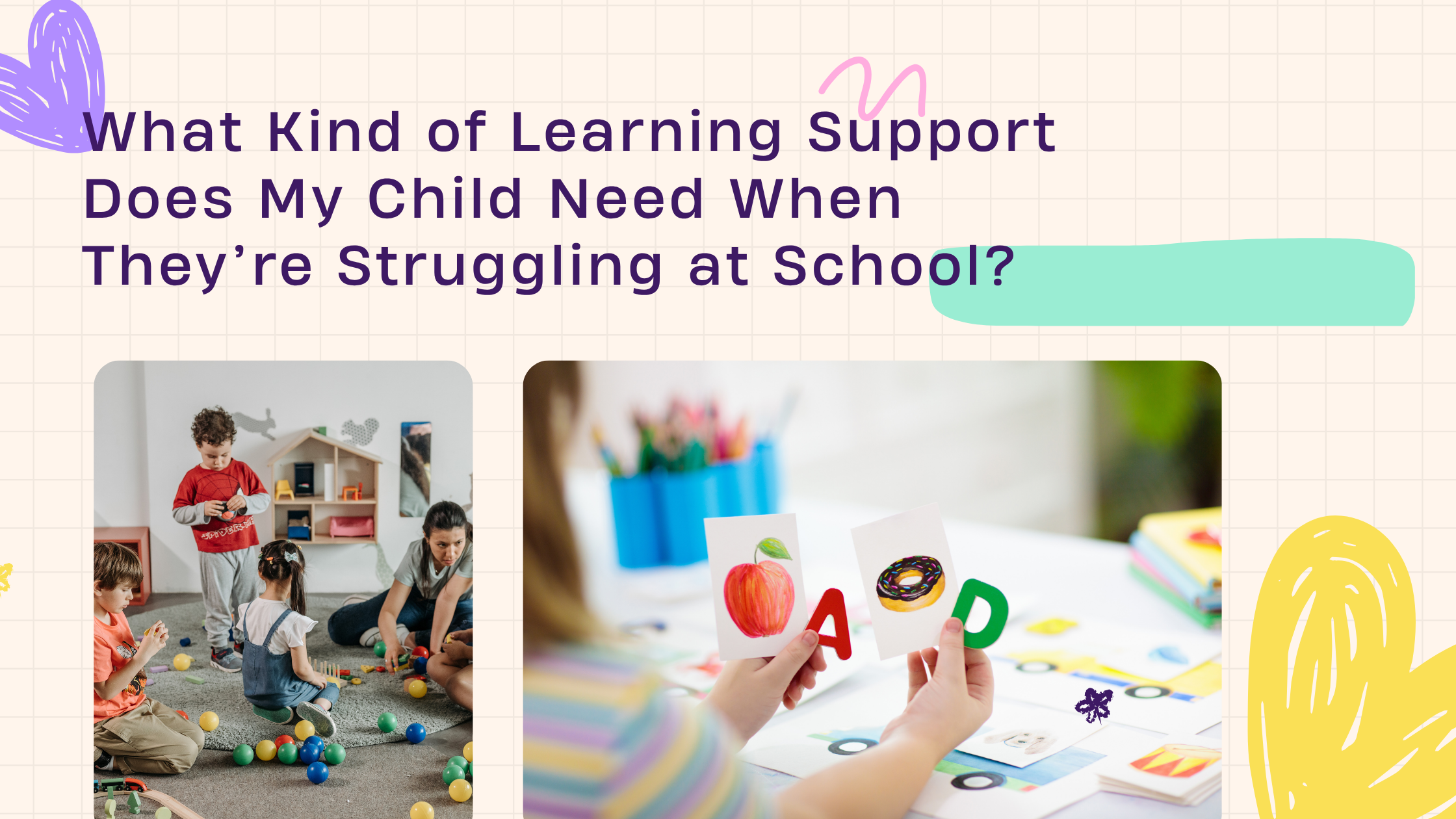
When a child begins struggling at school, one of the first questions parents ask is: What kind of help do
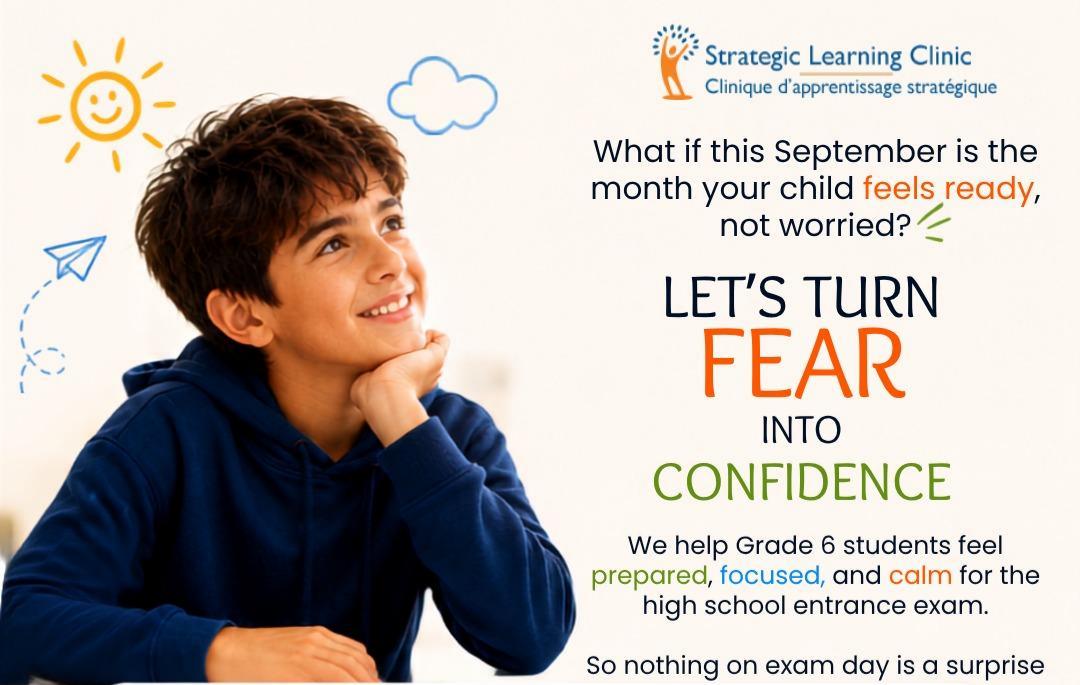
It’s September, and somewhere between school supply lists and soccer registration, a thought creeps in: wait, isn’t this the year