

Why Is My Teen Falling Behind in School Even When They Understand the Work?
Your teenager sits in class, follows the lesson, and seems to understand the material. At home, they can explain what

When children begin struggling at school, most parents do what any caring parent would do- they look for extra help. For many families searching for tutoring in Montreal, hiring a tutor feels like the natural first step. While tutoring can certainly reinforce classroom learning, it doesn’t always address the underlying reasons why a child continues to struggle.
For more than 37 years, Strategic Learning Clinic has been helping Montreal families understand that meaningful academic progress begins by understanding how a child learns, not simply by reviewing homework or preparing for the next test. Our personalized learning programs are designed to identify each child’s unique strengths, challenges, and learning style, creating a foundation for long-term academic confidence and success.
If you’ve tried tutoring but still feel your child isn’t reaching their full potential, it may be time to look beyond extra practice and explore a more personalized approach to learning support.
But what happens when it doesn’t?
Many parents tell us the same story.
“We’ve tried tutoring.”
“We practice every evening.”
“My child works hard, but nothing seems to change.”
If this sounds familiar, it may be because the challenge isn’t about effort. It may be about understanding how your child learns. Children learn in different ways. Some need additional explanation, while others require a completely different teaching approach that addresses the underlying skills affecting learning. That’s where personalized learning support becomes so valuable.
Traditional tutoring reinforces what children are learning in school, while personalized learning focuses on how they learn. If a child continues to struggle despite extra practice, assessment-based learning support can identify the underlying challenges and create a personalized plan that builds lasting academic skills, confidence, and independence.
Tutoring Reinforces Learning. Intervention Builds Learning Skills.
Traditional tutoring is generally designed to help students keep up with classroom lessons. Sessions often focus on reviewing homework, preparing for quizzes, or practising concepts that have already been introduced at school. While this can be effective for students who simply need extra review, it may not address deeper learning challenges.
Why Montreal Families Have Trusted Strategic Learning Clinic for More Than 37 Years
Every child deserves learning support that recognizes their individual strengths, challenges, and potential.
For over 37 years, Strategic Learning Clinic has worked with families across Montreal to help children develop stronger reading, writing, mathematics, executive functioning, and learning skills through personalized intervention rather than one-size-fits-all tutoring.
Our approach begins with understanding the learner- not simply the lesson.
Instead of asking children to work harder using the same strategies, we identify how they learn best and develop personalized programs that build confidence, independence, and lasting academic success.
This commitment to individualized learning has helped generations of Montreal families support their children’s educational journey with greater confidence.
Rather than asking, “What chapter are you studying this week?” it asks, “Why is this concept difficult in the first place?” This shift changes everything.
Instead of simply repeating lessons, personalized learning programs help children strengthen the foundational skills that support learning across every subject.
These skills include:
When these foundational skills improve, children often become more confident learners in every classroom, not just in one subject.
Two children can receive the same homework assignment and experience completely different challenges. One child may struggle because reading the instructions takes longer than expected. Another may understand the lesson but find it difficult to organize their ideas before writing. A third child may know the answers but become overwhelmed trying to manage multiple steps independently.
These differences don’t necessarily reflect intelligence or motivation. They simply demonstrate that every child processes information differently. Understanding a child’s unique learning profile allows educators to select teaching strategies that match the way the child learns best rather than relying on a one-size-fits-all approach.
Many tutoring centres focus primarily on helping students complete homework, prepare for exams, or improve grades in a particular subject.
While these services certainly have value, they may not fully address the learning processes that influence long-term academic success.
Personalized learning takes a broader approach by understanding the child’s learning profile, identifying underlying skill gaps, and developing strategies that improve reading, writing, mathematics, executive functioning, study skills, and independent learning.
Rather than simply helping children perform better on tomorrow’s test, the goal is to equip them with skills that support learning throughout their education.
Academic struggles rarely remain limited to schoolwork. Children who repeatedly experience frustration often begin questioning their own abilities.
Parents may hear comments like:
“I’m just not good at reading.”
“Everyone else finishes before me.”
“I’m not smart enough.”
These statements can be more concerning than
report card grades.
Confidence influences motivation, resilience, classroom participation, and a child’s willingness to tackle new challenges.
The right learning support doesn’t simply improve academic skills.
It helps children rebuild confidence through consistent success, achievable goals, and individualized instruction that recognizes their strengths alongside the areas where they need additional support.
Before selecting any learning program, it’s important to understand why a child is experiencing difficulties. An assessment provides valuable insight into how a child learns, processes information, solves problems, and approaches academic tasks.
It helps identify:
Instead of relying on trial and error, assessment-based learning support creates a clear roadmap that guides personalized instruction.
Every child deserves support that reflects their individual strengths, challenges, and goals. A personalized learning program evolves alongside the child. As confidence grows and new skills develop, learning goals continue to adapt, ensuring progress remains meaningful and sustainable.
Depending on individual needs, programs may include support for:
Rather than focusing only on today’s homework, personalized learning prepares children for future academic success by developing skills they can continue using throughout their education.
While professional support plays an important role, parents also have a powerful influence on their child’s learning journey.
Simple strategies can make a meaningful difference:
Children thrive when they feel supported both at home and during their learning sessions.
If your child continues to struggle despite tutoring, homework support, or extra practice, you don’t have to navigate the journey alone.
For more than 37 years, Strategic Learning Clinic has helped Montreal families understand their children’s learning needs through personalized assessments and evidence-based learning programs designed for lasting academic success.
Whether your child is experiencing challenges with reading, writing, mathematics, executive functioning, ADHD, or dyslexia, the right support begins with understanding how they learn.
Schedule a consultation with our team today and discover how personalized learning support can help your child build confidence, independence, and a lifelong love of learning.
Traditional tutoring usually focuses on reviewing classroom lessons or preparing for upcoming tests. Personalized learning begins by understanding how a child learns best and addresses the underlying skills that influence academic success, such as reading, writing, executive functioning, organization, and problem-solving.
If your child continues to struggle despite regular tutoring, homework support, and consistent effort, it may be time to look beyond reviewing classroom content.
At Strategic Learning Clinic, our process begins with understanding how your child learns. Through an individualized assessment, we identify learning strengths, challenges, and the strategies most likely to support long-term success. This allows us to recommend a personalized learning plan rather than relying on trial and error.
Families across Montreal have trusted this assessment-based approach for more than 37 years because it provides clear direction and measurable progress tailored to each child.
Yes. Personalized learning programs are designed to support each child's individual learning profile. Children with ADHD, dyslexia, executive functioning challenges, or other learning differences often benefit from targeted strategies that improve confidence, independence, and academic performance.
Your teenager sits in class, follows the lesson, and seems to understand the material. At home, they can explain what
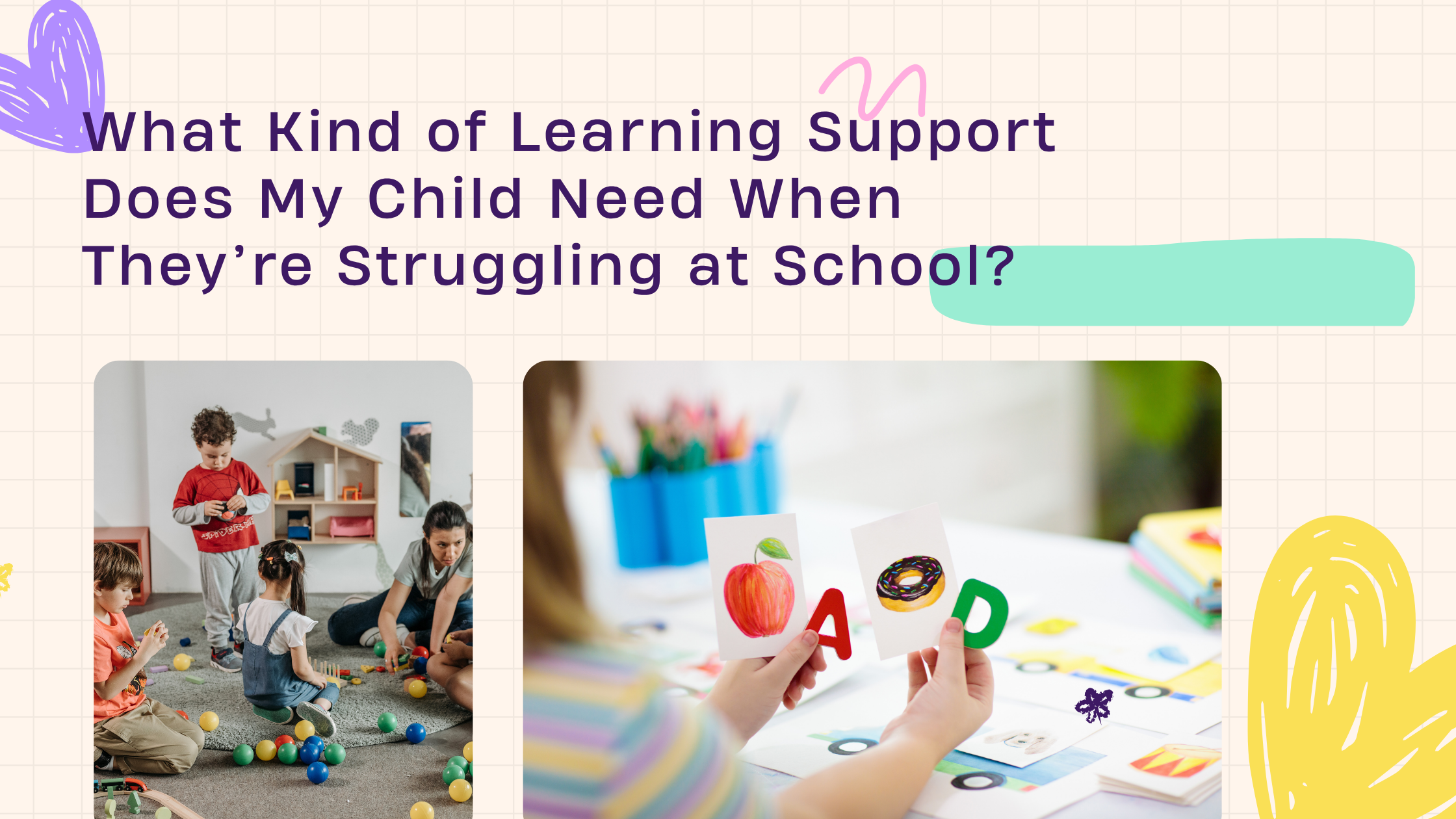
When a child begins struggling at school, one of the first questions parents ask is: What kind of help do
It’s September, and somewhere between school supply lists and soccer registration, a thought creeps in: wait, isn’t this the year