
ADHD vs. Executive Functioning Difficulties: How Can Parents Tell What Support Their Child Needs?
Your child has practised the same math problems several times, completed extra worksheets, and reviewed the lesson with you. Yet

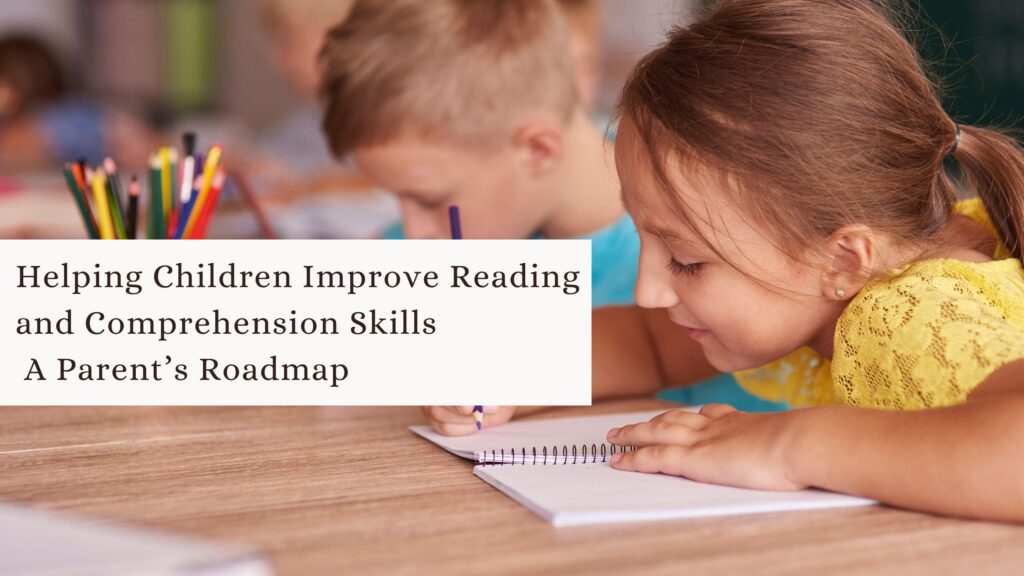
Your child can read the words on the page, but when you ask what happened in the story or what the passage meant, they struggle to explain it. They may forget important details, rush through the text, or understand individual sentences without connecting the bigger idea. For many parents, this raises an important question: How can I help my child with reading comprehension when they seem able to read?
Reading and understanding are related, but they are not exactly the same skill. A child may be able to recognize and read words while still needing support with vocabulary, making connections, identifying key ideas, visualizing information or remembering what they have read. For families in Montreal, recognizing where comprehension begins to break down is an important first step toward choosing strategies and support that match the child’s needs.
Reading comprehension involves more than recognizing or sounding out words. A child also needs to understand vocabulary, connect ideas, use background knowledge, remember relevant information and make sense of what the author is communicating. This means reading comprehension problems can look different from one child to another. For example, a student may:
Attention, working memory, language skills, decoding difficulties and learning differences can all influence comprehension. The important step is identifying which part of the reading process is creating difficulty for the individual child, rather than assuming every comprehension problem has the same cause.
Once the source of the difficulty is clearer, reading support can focus on the specific skills the student needs rather than simply asking them to read more. Depending on the child, this may involve several areas working together:
Parents can play an important role in helping children build stronger reading comprehension skills at home. The goal is not simply to have your child read more pages, but to encourage them to stop, think about the text and check whether they actually understand what they are reading.
A few simple strategies can help:
Keep reading sessions manageable and use a mix of fiction, nonfiction and age-appropriate material that interests your child. The best way to improve reading comprehension will depend on where the difficulty occurs, so pay attention to patterns rather than simply increasing reading time.
If your child continues to struggle despite regular practice, a more structured reading intervention program may help identify and work on the specific reading skills that need support.
Children with ADHD may experience additional challenges with reading comprehension, particularly when maintaining attention, remembering information or connecting ideas across a longer passage becomes difficult. A child may be able to read the words accurately but reach the end of a paragraph without remembering enough information to explain what it meant. Longer passages can become increasingly difficult when new details need to be connected with information introduced earlier. Parents can try strategies such as:
For children with ADHD, effective reading comprehension strategies should make it easier to maintain meaning throughout the text rather than simply requiring the child to reread the same passage repeatedly. If attention and executive-function difficulties are affecting reading alongside other areas of schoolwork, ADHD-specific academic support may also need to be considered separately from reading tutoring.
Children with dyslexia may experience difficulty with reading accuracy, fluency and decoding. When considerable effort is required to identify and read individual words, less attention may be available for understanding the meaning of the passage. This is why reading support should distinguish between decoding difficulties and reading comprehension difficulties rather than treating every reading problem in the same way.
For students who need support with foundational reading skills, structured reading intervention programs can focus on areas such as decoding, phonemic awareness, reading accuracy and fluency. At the same time, comprehension should continue to develop through vocabulary work, discussion, retelling, visualization and direct comprehension strategies. As decoding becomes more accurate and efficient, students can devote more attention to understanding, connecting and remembering what they read.
Some children improve with consistent reading practice and support at home. However, when reading comprehension problems continue over time, it may be useful to identify exactly where the reading process is breaking down. Consider additional support if your child consistently:
The type of support should match the difficulty. If your child struggles primarily with decoding, reading accuracy or fluency, a structured reading program or reading tutoring approach may be appropriate.
If your child can read the words but struggles to visualize information, understand language, connect ideas or explain the meaning of what they have read, the difficulty may be more specifically related to comprehension. A Visualizing and Verbalizing program focuses on developing concept imagery to support language comprehension and thinking, helping students create mental representations of what they read or hear and put that understanding into words.
Reading comprehension develops when children learn to do more than recognize words on a page. They need to connect ideas, build vocabulary, visualize information, identify important details and recognize when something they have read does not make sense.
For some children, regular practice and the right strategies at home can make a meaningful difference. Others may need more structured reading tutoring or a reading intervention program to strengthen foundational reading skills. When a child can read the words but continues to struggle with understanding and explaining what they have read, a Visualizing and Verbalizing program may provide more targeted support for language comprehension.
The important step is understanding where your child is struggling and matching the support to that specific need rather than treating every reading difficulty in the same way.
Strategic Learning Clinic works with children and families in Montreal who need support with reading and comprehension. If you are unsure which type of support is appropriate for your child, our team can help you understand the available options.
Start with an introductory call to discuss your teen's current challenges and the most appropriate next step.
Yes. Online sessions allow families across Canada and the United States to access the same structured approach with flexible scheduling.
Yes. Dyslexia support uses explicit phonics, multisensory practice, and careful fluency work alongside comprehension strategies.
Most students show measurable gains within eight to twelve weeks with two to three sessions per week and short daily reading at home.
Yes. Attention challenges reduce focus and working memory, which weakens understanding. Short reading sprints and visuals improve results.
If your child can read words but struggles to explain what they read, skips details, or forgets the main idea, targeted support will help.
Your child has practised the same math problems several times, completed extra worksheets, and reviewed the lesson with you. Yet
Your child has practised the same math problems several times, completed extra worksheets, and reviewed the lesson with you. Yet
Your teenager sits in class, follows the lesson, and seems to understand the material. At home, they can explain what