
Why Is My Teen Falling Behind in School Even When They Understand the Work?
Your teenager sits in class, follows the lesson, and seems to understand the material. At home, they can explain what

Attention-Deficit/Hyperactivity Disorder (ADHD) can affect a child’s attention, impulse control, activity level, organization, and ability to complete everyday tasks. These challenges may appear during homework, morning routines, classroom activities, transitions, or emotionally demanding situations.
Every child who has ADHD is different. A strategy that helps one child stay focused may not work for another. The goal is not to force a child to behave like everyone else, but to provide clear expectations, practical tools, and consistent support that help them participate more confidently at home and at school.
Some of the most effective ADHD strategies for parents include establishing predictable routines, giving short instructions, breaking large tasks into smaller steps, using visual reminders, providing movement breaks, and recognizing positive effort.
These approaches can also support the executive functioning skills involved in planning, organization, working memory, emotional regulation, and task completion.
The following ten practical strategies can help parents and caregivers create a more supportive environment while encouraging their child’s confidence and growing independence. These suggestions can complement, but do not replace, individualized guidance from healthcare, education, or learning-support professionals.
ADHD in children does not look the same in every situation. Some children primarily experience attention and organization difficulties, while others show more hyperactive or impulsive behaviour. Some experience a combination of these challenges.
A child with ADHD may struggle to:
These difficulties are often connected to the executive functioning skills students use to plan, organize, remember information, and manage their actions. They do not necessarily reflect the child’s intelligence, motivation, or understanding of the subject.
Repeated reminders, corrections, or incomplete work can leave a child feeling frustrated or misunderstood. Some children may also experience strong emotional reactions when a task feels overwhelming or when an expected routine changes.
Clear expectations, achievable steps, and recognition of effort can help protect confidence while the child develops more effective strategies.
Impulsivity or difficulty maintaining attention can sometimes cause a child to interrupt, miss social cues, or struggle to wait their turn. However, these challenges do not prevent children with ADHD from developing meaningful friendships.
Patient guidance, positive feedback, and opportunities to practice social skills can help children communicate and participate more confidently.
Children with ADHD also bring their own interests, abilities, and personalities to every situation. Effective ADHD support at home and school should address genuine challenges while helping each child recognize and use their individual strengths.
The best way to determine how to support a child with ADHD is to identify which situations create the most difficulty. Some children need help beginning tasks, while others need support with organization, focus, transitions, or emotional regulation.
The following strategies can be adjusted according to your child’s age, abilities, and everyday needs.
Consistent routines reduce the number of decisions a child must make throughout the day. Set a regular sequence for waking up, preparing for school, completing homework, and going to bed.
Use a written or visual routine that your child can follow independently. Keep it realistic and allow additional time for transitions rather than creating a schedule that feels rushed.
Long or general instructions can be difficult to hold in working memory. Give one or two specific steps at a time and ask your child to repeat the instructions in their own words.
Instead of saying, “Clean your room,” try:
Short, concrete instructions make the starting point clear and help the task feel manageable.
Large assignments can feel overwhelming, especially when the child does not know where to begin. Divide school projects, chores, and routines into smaller steps with a clear completion point.
After each step, briefly review what has been completed and identify what comes next. This strengthens task initiation, planning, and other executive functioning skills.
Do not expect your child to hold every responsibility in memory. Use checklists, calendars, timers, labels, or visual schedules to make tasks and deadlines visible.
A timer can also help a child understand how long to work and when a break will occur. Choose one consistent planning system rather than introducing several tools at once.
Choose a homework space with the materials your child regularly needs. Reduce distractions that interfere with their attention, but avoid assuming that every child requires complete silence.
Some children focus better with quiet background sound, a standing option, or a small movement tool. Observe what genuinely supports concentration and adjust the environment accordingly.
Children with ADHD may receive frequent reminders and corrections. Balance these interactions by recognizing specific effort, improvement, and successful use of a strategy.
Instead of general praise, say, “You checked your planner and started your homework without another reminder.” Specific feedback helps the child understand which behaviour was effective and worth repeating.
Sustained attention can require significant effort. Short, planned movement breaks may help a child return to a task with better focus.
Breaks can include stretching, walking, getting water, or completing a brief physical activity. Define when the break begins and ends so that it supports the routine rather than replacing the task.
A consistent bedtime routine can support attention, mood, and readiness to learn. Reduce stimulating activities before bed and keep sleep and wake times reasonably predictable.
When your child becomes emotionally overwhelmed, allow time to settle before discussing the behaviour or returning to the task. Calm conversations are more productive than trying to solve the problem during an intense emotional reaction.
If sleep or emotional difficulties persist, discuss them with an appropriate healthcare professional.
Consistent communication between home and school can help identify patterns and prevent the child from receiving conflicting expectations.
Ask teachers:
Effective ADHD support at school should be individualized and reviewed as the child’s needs change.
Additional help may be appropriate when ADHD-related difficulties consistently affect school performance, confidence, routines, or family relationships.
Support may include guidance from healthcare professionals, collaboration with the school, executive functioning coaching, or tutoring for ADHD students when specific academic gaps are also present.
Strategic Learning Clinic provides personalized ADHD support in Montreal focused on planning, organization, task initiation, time management, and academic independence. An initial consultation can help families determine which type of support best matches their child’s needs.
Some children need more than general homework assistance. When attention, organization, or executive function difficulties consistently interfere with learning, individualized support can help identify the specific point where the child becomes stuck.
Depending on the student’s needs, tutoring for ADHD students may include:
Support should begin with the student’s actual challenges, whether those involve starting assignments, following instructions, managing time, organizing materials, or understanding specific academic concepts.
Students can learn to use planners, checklists, calendars, timers, and visual schedules in ways that fit their school responsibilities and daily routines.
Large assignments can be divided into clear, manageable steps. Students practice estimating time, prioritizing work, and monitoring their progress rather than relying entirely on reminders from adults.
When a student also has gaps in reading, writing, math, or another subject, academic instruction can be adapted to their current abilities. ADHD alone does not mean that a child needs remedial tutoring, so academic support should be based on identified needs.
The long-term objective is not to have an adult continually organize the student’s work. It is to help the student understand which strategies work, practice using them, and gradually manage more responsibility independently.
Strategic Learning Clinic provides personalized ADHD learning support in Montreal, including academic assistance and executive function strategies based on each student’s needs. Support can complement guidance from the child’s school and healthcare professionals.
Supporting a child with ADHD does not require changing everything at once. Begin with the routine or responsibility creating the most stress, select one practical strategy, and use it consistently before introducing another.
Progress may appear gradually through fewer reminders, easier transitions, more consistent homework completion, or greater willingness to begin difficult tasks. The goal is not perfection; it is helping your child develop confidence, useful strategies, and increasing independence.
If ADHD-related difficulties continue to affect your child’s learning, routines, or emotional well-being, an appropriate professional assessment or personalized learning consultation can help clarify the next step.
If ADHD-related challenges are making homework, routines, or school responsibilities consistently difficult, your child may benefit from more individualized support.
Strategic Learning Clinic provides personalized ADHD support in Montreal to help students develop practical strategies for planning, organization, task completion, and academic independence.
Speak with our team to discuss your child’s challenges and determine which type of learning support may be appropriate.
Create a consistent homework routine, reduce relevant distractions, and divide assignments into smaller steps. Use a checklist or timer, include short breaks, and focus on completing one clearly-defined task at a time.
Your teenager sits in class, follows the lesson, and seems to understand the material. At home, they can explain what
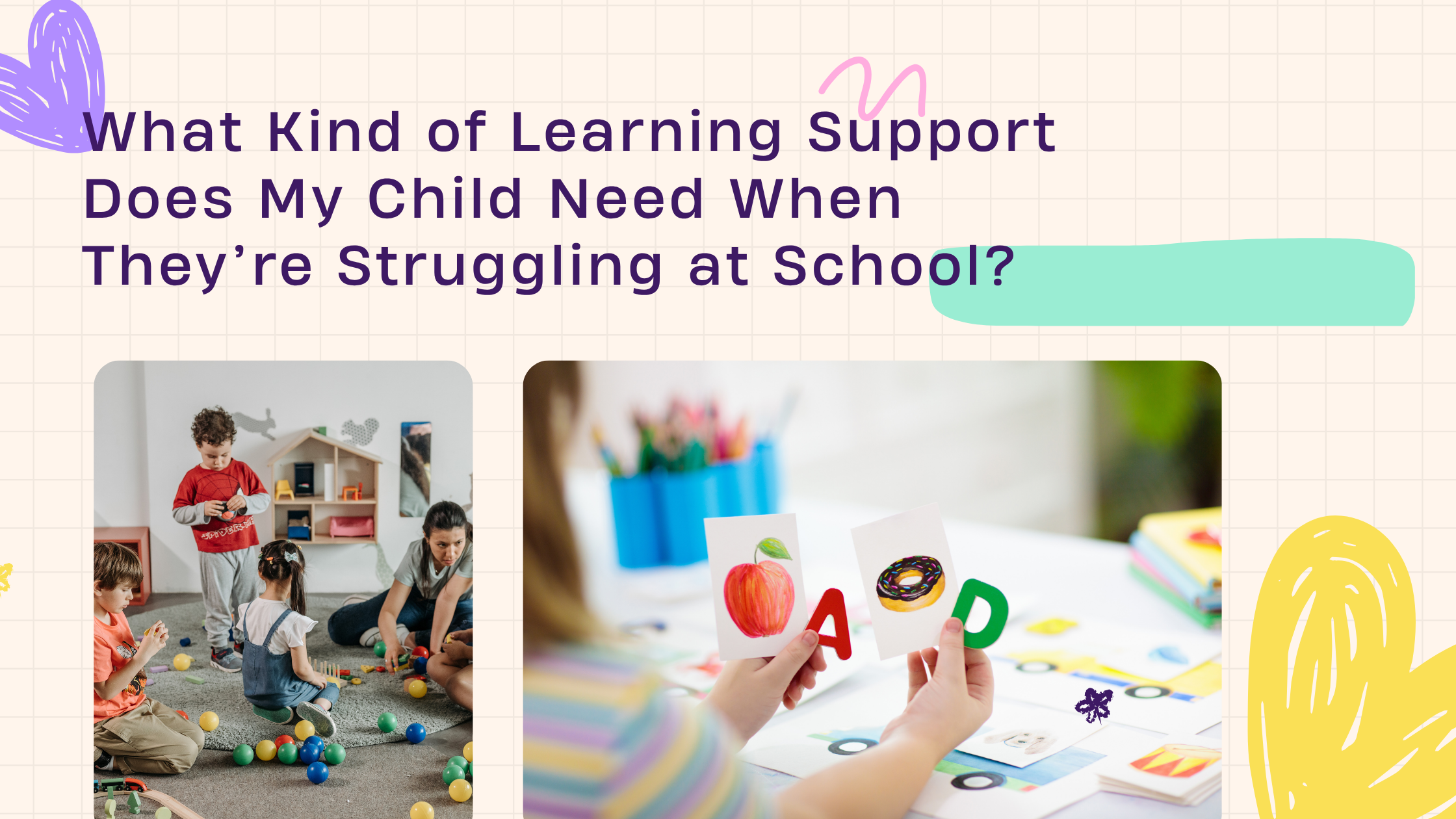
When a child begins struggling at school, one of the first questions parents ask is: What kind of help do

It’s September, and somewhere between school supply lists and soccer registration, a thought creeps in: wait, isn’t this the year