

Why Is My Teen Falling Behind in School Even When They Understand the Work?
Your teenager sits in class, follows the lesson, and seems to understand the material. At home, they can explain what

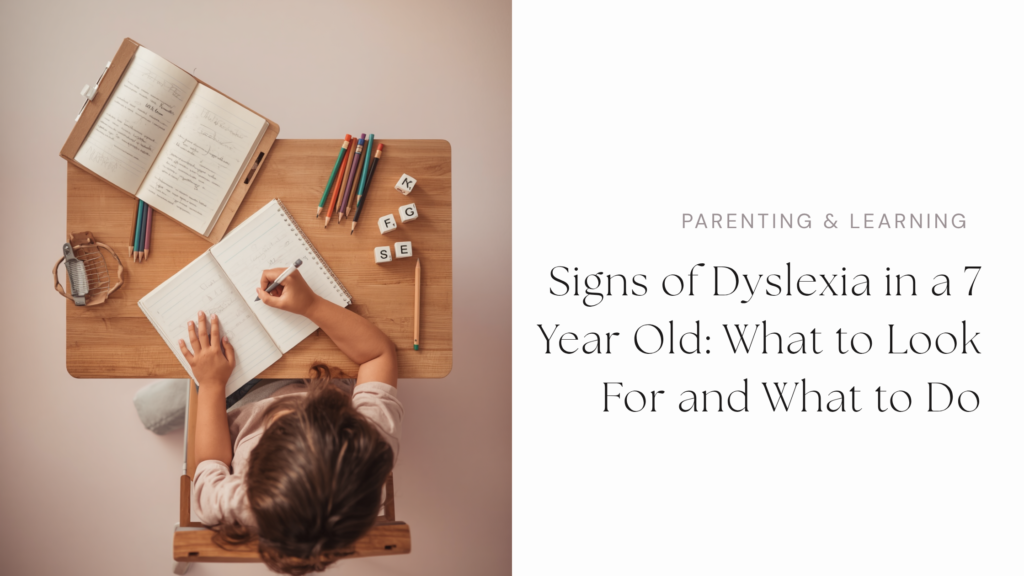
It is reading night in your house. Your seven-year-old is sitting at the kitchen table, and every word on the page feels like a battle. They squint, guess, or sound out letters that do not seem to connect. They are not being difficult; they are trying, but the words still will not come easily.
You may wonder whether this is a normal stage, whether you should wait, or whether an underlying learning difficulty is affecting your child’s progress. Recognizing the early signs of dyslexia in children can help you understand when it may be time to seek professional support.
The most common signs of dyslexia in a 7-year-old include:
One sign alone does not confirm dyslexia. However, a recurring combination of these difficulties may indicate that your child would benefit from a professional assessment and targeted reading support.
Dyslexia is not related to intelligence. Many children with dyslexia are bright, creative and curious, but they process spoken and written language differently. Early identification and evidence-based dyslexia programs can help children strengthen their reading skills, rebuild confidence, and make meaningful academic progress.
Dyslexia is a language-based learning difference that primarily affects reading, spelling, and written language. It is not caused by low intelligence, lack of effort, or a vision problem. Instead, it affects how the brain recognizes and processes the sounds within words, making it harder to connect those sounds with written letters.
By age seven, many children are beginning to read simple sentences, recognize familiar words, and decode new words using phonics. Children develop at different rates, but persistent difficulties with these skills may be among the early signs of dyslexia in children. These challenges are not a reason to panic, but they are worth investigating.
The following dyslexia symptoms in a 7-year-old may become noticeable at home or in the classroom:
Experiencing one of these difficulties does not necessarily mean that a child has dyslexia. However, if several signs persist despite regular instruction and practice, a professional assessment can help identify the cause and determine whether targeted reading intervention would be beneficial.
Dyslexia does not mean that your child is lazy, unintelligent, or unwilling to learn. It also does not mean that they cannot become a confident, fluent reader.
Children with dyslexia can succeed academically and professionally when they receive instruction that matches how they learn. What they need is not simply more practice, but the right type of structured and individualized support.
Parents often wonder whether their child needs more reading practice or specialized intervention. For children with persistent reading difficulties, evidence-based dyslexia programs can provide the explicit and systematic instruction they may not receive through conventional tutoring alone.
These programs commonly strengthen:
Effective reading programs for kids build these skills in a planned sequence and allow children to progress at an appropriate pace. Instruction can also be adjusted according to each child’s existing strengths, learning gaps and response to intervention.
The earlier a child receives appropriate learning support, the more opportunity they have to establish strong reading foundations, reduce academic frustration, and approach school with greater confidence.
Strategic Learning Clinic provides personalized, assessment-based support for children experiencing reading and learning difficulties. Families seeking dyslexia support in Montreal can contact the clinic to discuss their child’s challenges and determine the most appropriate next step.
Age seven is an important stage in reading development. Children are strengthening phonics, decoding, spelling and fluency skills that will support learning across almost every school subject.
When reading difficulties are identified early, targeted reading intervention can address foundational skill gaps before frustration and avoidance become established patterns. This does not mean rushing or labelling your child. It means understanding why they are struggling and providing support that matches their needs.
Dyslexia is a lifelong learning difference, but children with dyslexia can become capable and confident readers. Early, structured instruction can help them develop effective reading strategies and participate more confidently at school.
If several signs sound familiar, the first step is to gather information rather than panic. Consider taking the following actions:
Strategic Learning Clinic provides personalized, one-on-one dyslexia support in Montreal for children experiencing persistent reading and spelling difficulties.
Based on each child’s learning profile, instruction may incorporate the Lindamood Phoneme Sequencing Program® (LiPS®) for English reading or Enseignement Multisensoriel Simultané® (EMS®) for French reading and spelling. These structured programs help children strengthen foundational literacy skills through systematic, multisensory instruction.
Families can access programs in person in Montreal, while virtual learning support is available across Canada and the United States.
You do not have to wait for your child to fall further behind. Speak with the Strategic Learning Clinic team to discuss the signs you have observed and determine whether an assessment or personalized reading program may be appropriate.
Your teenager sits in class, follows the lesson, and seems to understand the material. At home, they can explain what
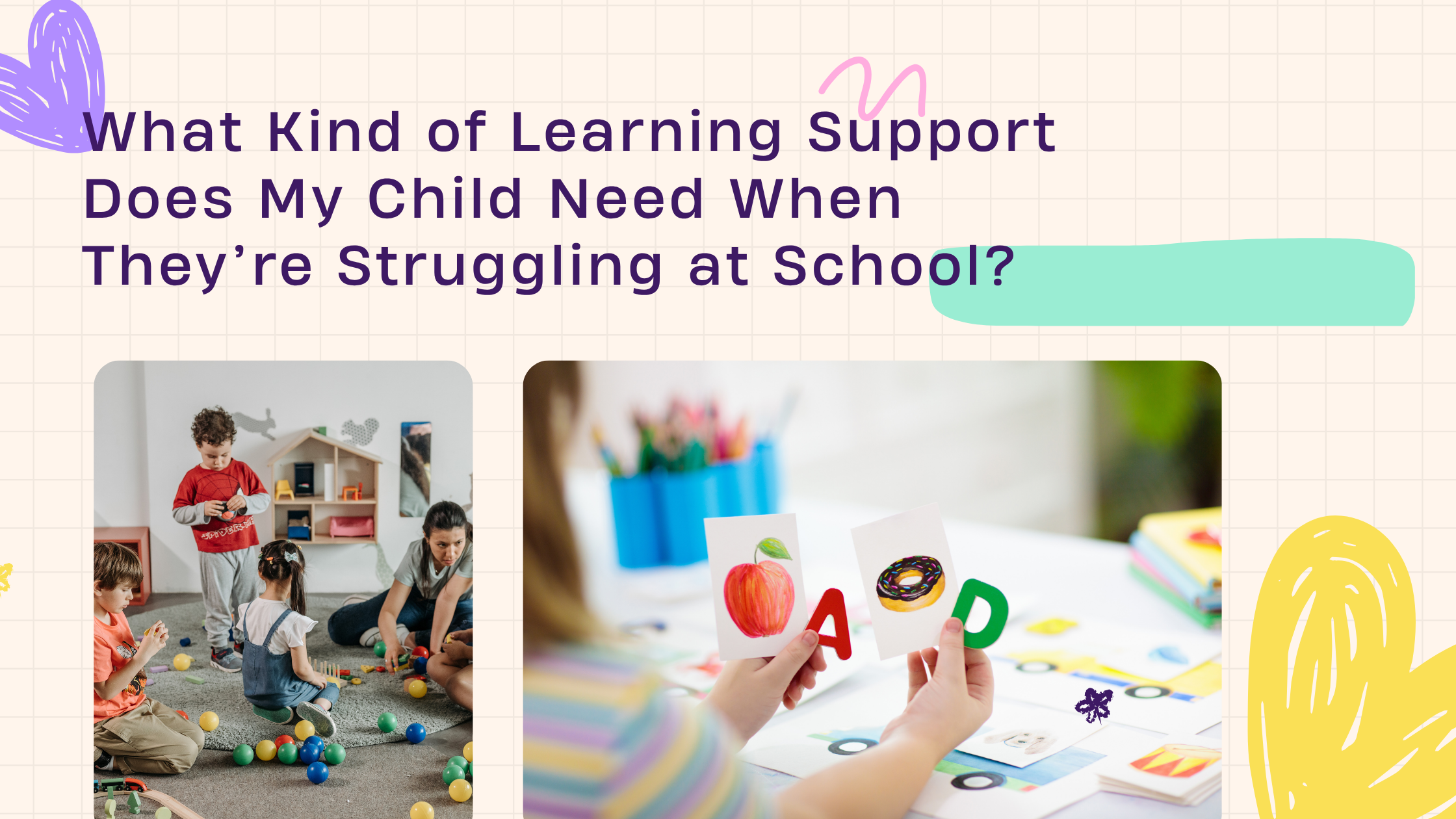
When a child begins struggling at school, one of the first questions parents ask is: What kind of help do

It’s September, and somewhere between school supply lists and soccer registration, a thought creeps in: wait, isn’t this the year